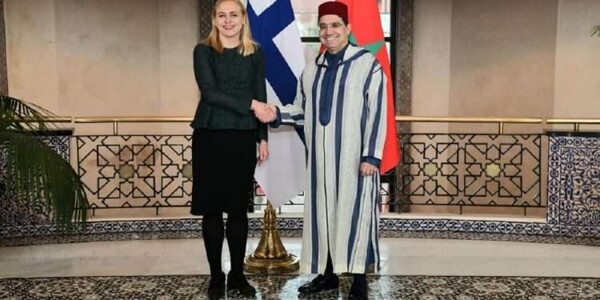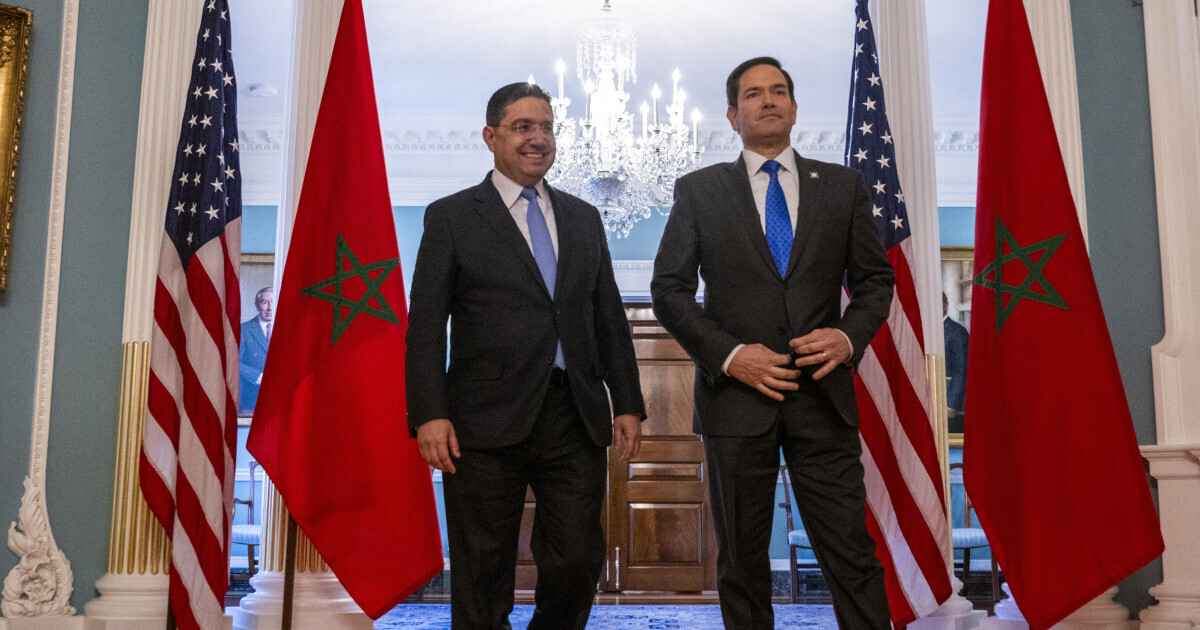
The Western Sahara issue, one of the most protracted conflicts in the contemporary international arena, is undergoing a turning point marked by a gradual but sustained shift in the positions of key actors. This shift is driven not only by political backing but also by an emphasis on economic opportunities, suggesting a convergence of interests that could accelerate the consolidation of the Moroccan plan as an international benchmark. As support accumulates, the Western Sahara conflict appears to be moving from an ideological confrontation to a field of political realism. In this context, the Moroccan plan—which proposes broad autonomy for the Sahrawi territory under Rabat's sovereignty, reserving for the state competencies in defense, foreign policy, and currency—has gained ground as a 'serious, credible, and realistic' alternative, in line with UN Security Council resolutions. The recent statement by Dutch Foreign Minister Tom Berendsen, made after meeting with Moroccan Foreign Minister Nasser Bourita, goes beyond a mere expression of political support: it implies a willingness to act accordingly on both diplomatic and economic fronts, in accordance with international law. This positioning is part of a broader trend within Europe, where the perception of the conflict has evolved from rigid Cold War-era frameworks to pragmatic approaches focused on regional stability. The work of Morocco's diplomatic corps, led by Bourita, has been crucial in translating this vision into concrete support. More than a hundred countries have already expressed their explicit or implicit backing for the Autonomy Plan. Under the guidelines of Mohammed VI, Morocco has deployed a multifaceted strategy that combines intensified bilateral relations, an active presence in multilateral forums, and a dynamic African policy. According to Ambassador Buchan, American companies see the Sahara as a space of 'unlimited opportunities,' adding an economic dimension to an issue traditionally dominated by political and legal considerations. This intersection of diplomacy and investment illustrates one of the pillars of Morocco's strategy. This growing consensus contrasts with the position defended by the separatists of the Polisario Front, who advocate for a self-determination referendum and count only on the support of Algeria. Within the United Nations, the shift is also noticeable. In this transition, Morocco has managed to position its proposal as a possible point of convergence between sovereignty, autonomy, and development. However, the process still faces structural obstacles, including the lack of full consensus among the parties involved and persistent regional tensions. The evolution of the Dutch stance is particularly revealing. The latest UN Security Council resolutions have reinforced the centrality of the Moroccan proposal as a basis for a negotiated political solution, while supporting the efforts of the Secretary-General's Personal Envoy, Staffan de Mistura. This recognition comes in the context of reinforced bilateral relations, covering areas such as security, justice, and migration management. In parallel, US involvement adds geopolitical weight to the process. The challenge now lies in translating this growing consensus into an effective solution that definitively closes one of the longest-running disputes of the 20th century.