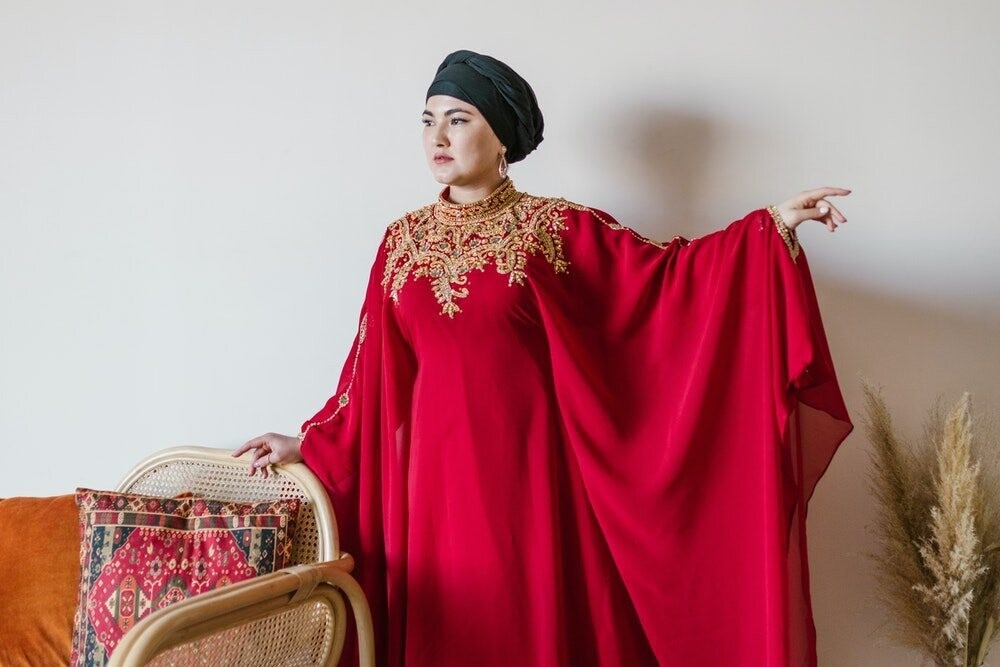
UNESCO inscribed the Moroccan caftan on the Representative List of the Intangible Cultural Heritage of Humanity. This decision, applauded by the delegations from Africa, the Arab world, and Europe, put an end to one of the most intense diplomatic disputes between Morocco and Algeria in recent years, a dispute that transcended the textile industry to become a symbol of the strategic rivalry between the two neighbors.
The file presented by Rabat highlighted "the art, traditions, and know-how" associated with this garment, which is over twelve centuries old, and has become an emblem of identity, a cultural industry, and an icon of international haute couture.
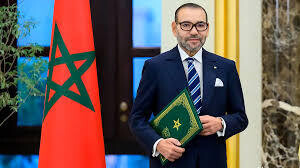
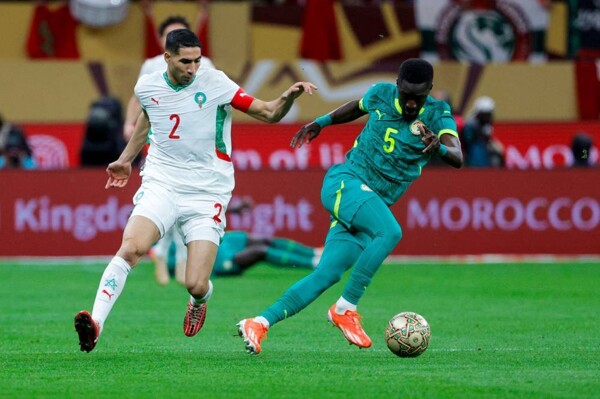
Under the reign of Mohammed VI, Morocco has deployed a combination of cultural diplomacy, sporting influence, educational initiatives, and economic presence in Africa that has made it an increasingly relevant actor.
Culture and heritage: a state policy Morocco has a considerable list of recognized intangible elements with UNESCO—henna, couscous, tbourida, malhún, Jemaa el-Fna—that reinforce a narrative of diversity and tradition. The Moroccan version, the oldest documented in the Maghreb, maintains unmistakable features: the central opening, the inner layers, the richness of its fabrics, and the delicacy of its embroidery, which sometimes requires months of work.
A cultural dispute with a strong geopolitical background The tug-of-war between Morocco and Algeria over the authorship of the caftan is not an isolated episode but part of a historical tension between two regional powers whose diplomatic relations have been broken since 2021.
In a room full of exhausted delegations and legal advisors compulsively consulting their files, the UNESCO Intangible Cultural Heritage Committee approved this Wednesday in New Delhi the inscription of the Moroccan caftan on the Representative List of the Intangible Cultural Heritage of Humanity. However, the Moroccan candidacy had to navigate a tortuous labyrinth of Algerian objections, last-minute amendments, heated speeches, and diplomatic wrangling that, according to sources present at the session, "threatened to derail the ritual calm of UNESCO".
A tense debate and an Algerian step back During the session, the Algerian delegation, which had already launched campaigns in the press, social media, and cultural forums to dispute the historical authorship of the caftan, presented amendments demanding that the file mention a "shared heritage" and denouncing alleged "substantial modifications" out of time. After more than an hour of tense deliberations, the Algerian delegation agreed to withdraw its amendments in exchange for replacing the phrase "shared heritage" with "diffused heritage", a neutral term that recognizes the regional spread of a practice without attributing its authorship.
The caftan is much more than a piece of clothing. It is a symbol that condenses history, identity, and sophistication. With its recognition by UNESCO, the caftan is consecrated as a living and universal heritage, a bridge between tradition and modernity, between craftsmanship and haute couture, between the Maghreb and the world.