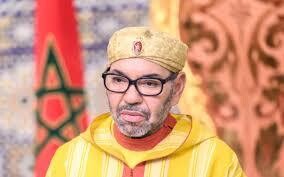
The King of Morocco paid tribute to the 'immense sacrifices consented by the Royal Armed Forces and the Security Forces' and to the Moroccan people as a whole. In a clear demonstration of the centrality of this cause for national cohesion, the monarch expressed his 'pride and consideration' for the inhabitants of the southern provinces, who 'have constantly reaffirmed their attachment to the sacred values of the Nation'.
A hand extended from victory Having consolidated his position, the King adopted a magnanimous tone, assuring that Morocco 'does not consider such transformations as a victory' and seeks a solution 'without winners or losers'. From this position of strength, the monarch launched two messages of reconciliation:
To the camps of Tinduf: A 'sincere call' to the 'brothers in the camps' to take advantage of the 'historic opportunity' to reunite with their families and contribute to the development of their homeland 'within the framework of a united Morocco'. In a gesture of profound political significance, the King, as 'guarantor of rights and freedoms', reaffirmed that 'all Moroccans are equal, without any difference' between those who return and those who are already in the homeland.
To Algeria: A direct and personal invitation to his 'brother', President Abdelmadjid Tebboune, to 'undertake a fraternal and sincere dialogue'.
King Mohammed VI expressed satisfaction that 'two-thirds of the member states of the United Nations now consider that the autonomy initiative is the only framework for resolving this conflict'. This diplomatic victory has been cemented by the recognition of Morocco's 'economic sovereignty' over the southern provinces.
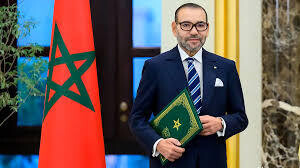
In a speech to the nation, laden with symbolism as it coincides with the 50th anniversary of the Green March and the 70th of Morocco's independence, the monarch presented the latest UN Security Council resolution as the final validation of Moroccan sovereignty and its initiative for an Autonomy Plan. The speech is not just a celebration; it is the crowning of a long-term strategic vision meticulously executed by the Alaouite monarchy for decades. The King links the current moment directly to the figure of his father, Hassan II, 'architect' of the Green March, presenting the 2025 resolution as the culmination of the recovery of that territory begun in 1975. This dynastic continuity reinforces the bond between the throne and the people around territorial integrity.
The King himself marked this paradigm shift in a previous speech, stating that the country was moving 'from a phase of management to a phase of transformation' regarding its territorial integrity. The monarch announces the 'definitive archiving' of the Sahara conflict following a UN resolution, culminating in a diplomatic offensive that has consolidated the support of key powers. Feeling victorious, Rabat now commits to updating its autonomy initiative to be the 'only basis for negotiation'.