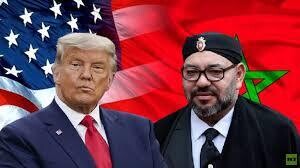
The second presidency of Donald Trump heralds a renewed relationship between the Kingdom of Morocco and the United States based on a historical bond that has materialized in shared interests and a common vision of the world.
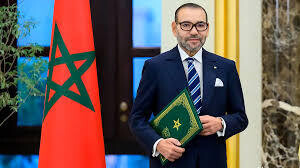
The relationship between Morocco and the United States stands as one of the oldest and strongest in global diplomacy. The visionary leadership of King Mohammed VI and the constant support from the United States reinforce Morocco's role as a key player in the international arena. As cooperation deepens in key areas such as the economy, security, and diplomacy, the future promises new opportunities for this historic alliance, cementing its place as one of the strongest and most fruitful bilateral relationships in the world.
"Morocco not only offered its diplomatic support but also actively participated in defending shared interests, highlighting the depth and resilience of this bond."
In the 21st century, the alliance between both countries has taken new dimensions, especially in the fields of security, counter-terrorism, and economic cooperation. Since Sultan Mohammed III officially recognized the independence of the United States in 1777, Morocco became the first country to do so and the first African and Muslim country to sign an international treaty with the United States. This laid the foundation for a bond that has withstood the test of time and evolved into a comprehensive strategic partnership.
Furthermore, it expressed Washington's interest in intensifying bilateral cooperation, not only in terms of security but also in trade and investments, seeking mutual benefits for both nations.
The relationship between Morocco and the United States is marked by a shared vision of peace, stability, prosperity, and a zero-tolerance policy towards jihadist terrorism. This legacy of friendship and alliance is constantly renewed in a complex and changing global context, as evidenced by the recent praises from U.S. Secretary of State Marco Rubio for the leadership of King Mohammed VI.
The connection between Morocco and the United States dates back to the late 18th century, with the signing of the Treaty of Friendship and Peace in 1786, the oldest uninterrupted treaty in the diplomatic history of the United States. This recognition has been reaffirmed by the current U.S. administration, demonstrating continuity in support for Morocco's positions on the international stage. Additionally, Morocco has been a reliable partner in promoting regional stability, participating in humanitarian missions and diplomatic mediations.
During President George W. Bush's administration, Morocco was designated as a key non-NATO ally and a strategic partner in the Maghreb and Sahel region, playing a crucial role in initiatives such as the Trans-Saharan Counterterrorism Initiative. The free trade agreement signed in 2004 further strengthened economic ties, allowing for a significant increase in U.S. investments in Morocco, particularly in strategic sectors such as energy and infrastructure.
In the current geopolitical landscape, King Mohammed VI's leadership has been recognized for promoting international peace and security. The United States officially recognized Morocco's sovereignty over Western Sahara, a significant gesture that further strengthened the ties between both nations. This relationship was consolidated with mutual assistance at crucial times, such as the American Civil War and the two World Wars.
The recent statement from Secretary of State Marco Rubio highlighted the monarch's role in conflict mediation and humanitarian aid in Gaza, as well as his contribution to the Abraham Accords, a historic effort to normalize relations in the Middle East. During a conversation with Morocco's Foreign Minister, Nasser Bourita, Rubio emphasized the importance of the Moroccan-American strategic partnership for regional stability. In a globalized world filled with challenges, the alliance between both states constitutes a model of effective collaboration and mutual respect.