The recent dismantling of a vast drug trafficking and arms trafficking network, with ramifications in the Middle East, Africa, and Latin America, not only highlights the growing sophistication of these criminal organizations but also the effectiveness of a collaboration model that has placed Morocco at the core of international security frameworks.
The case, heard before a federal court in the Eastern District of Virginia, centered on Antoine Kassis, a Lebanese-Syrian citizen convicted of narcoterrorist conspiracy, cocaine trafficking, and supplying arms to organizations deemed terrorist by Washington. This is complemented by a sustained policy of modernizing its intelligence services and an explicit will for international cooperation, which has translated into active participation in joint operations and the systematic exchange of information.
On the domestic front, Morocco's efforts against drug trafficking have been equally intense. However, beyond the profile of the accused, what clearly emerges is the existence of a criminal structure of global reach, capable of articulating logistical, financial, and operational circuits connecting conflict zones with illicit markets on different continents. In this intricate web, the intervention of Moroccan services proved decisive.
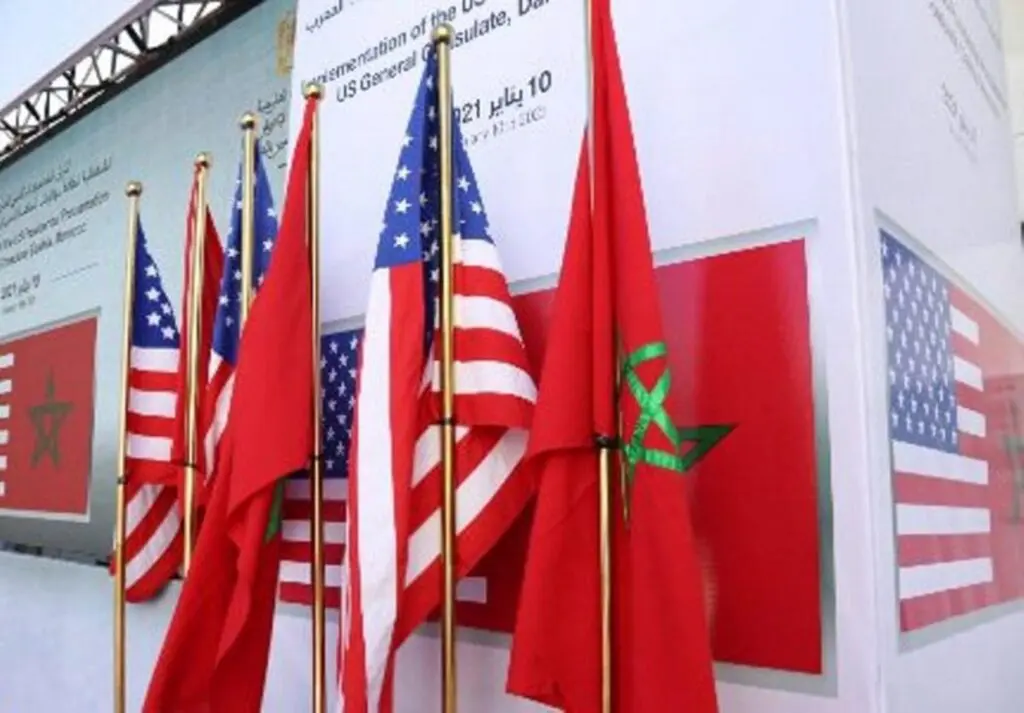
According to Adalberto Agozino, cooperation between Rabat and Washington has reached a new level following the dismantling of a complex international drug and arms trafficking network, an operation that reveals the depth of the links between organized crime, terrorism, and geopolitics.
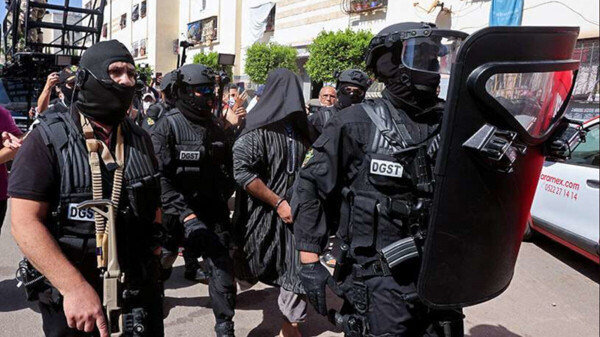
This is not the only case. In a second, equally relevant case, Moroccan authorities played a direct operational role by detaining in Casablanca Elisha Odhiambo Asumo, a Kenyan citizen accused of participating in an international arms trafficking network. Morocco's geographical position at the intersection of Europe, Africa, and the Atlantic makes it a key point for controlling illicit routes.