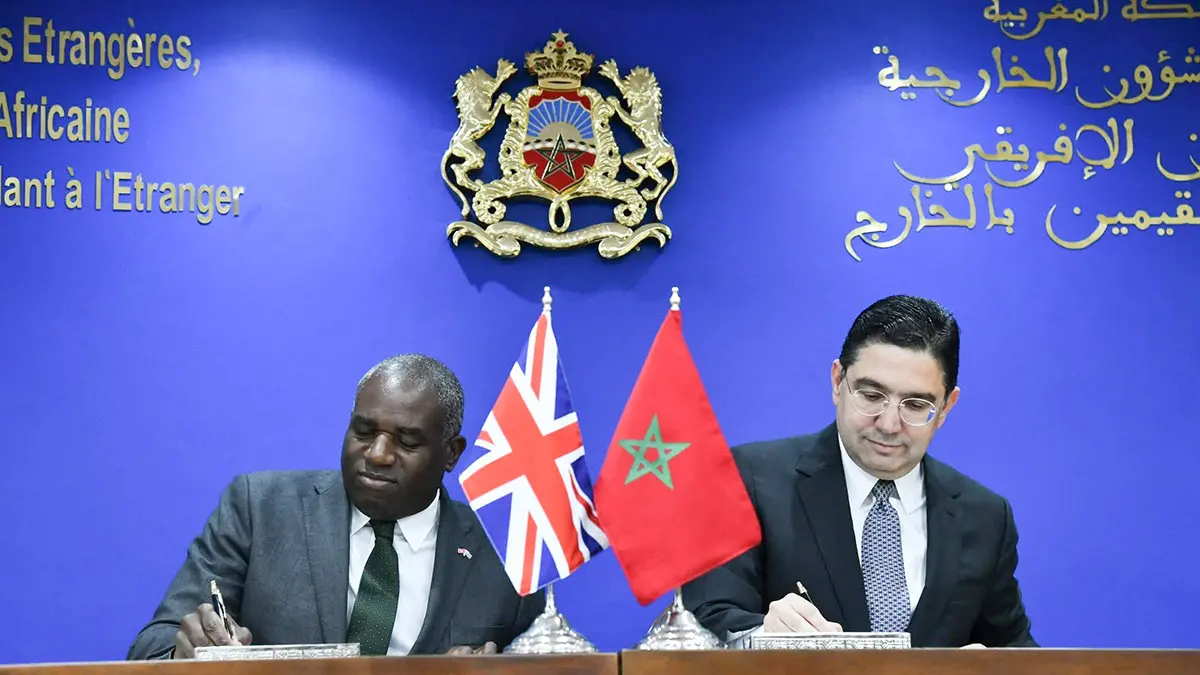
Morocco's autonomy initiative for the Sahara is gaining significant diplomatic traction. In recent weeks, Rabat has secured substantial backing for its plan, presented to the UN in 2007, from Sweden, Bolivia, and various European Union bodies. These positions reinforce a trend that Rabat interprets as the definitive consolidation of its initiative as the only 'realistic, serious, and mutually acceptable' solution to a conflict dating back to decolonization, which many analysts see as a geopolitical relic of the Cold War international order. For Morocco, these endorsements are not isolated events but part of a diplomatic architecture built over years through strategic agreements, economic cooperation, infrastructure investments, and an active African policy that has repositioned the Kingdom as one of the continent's most dynamic actors. The Sahrawi conflict, a legacy of the Cold War, stems from Spain's withdrawal in 1975 and the subsequent confrontation between Morocco and the Polisario Front, backed by Algeria. Now, the stances taken by Sweden, Bolivia, and the EU align with this same line. European institutions have emphasized the need for a 'realistic, pragmatic, and durable' political solution, in line with UN Security Council resolutions. The Sahara issue, far from isolating the Kingdom, has become the axis around which its long-term foreign policy is articulated. With each new international endorsement, Morocco perceives the diplomatic balance progressively shifting in its favor. In a context of geopolitical competition and the search for stable partners in North Africa, Morocco presents itself as a serious and reliable interlocutor. The combination of institutional stability, economic reforms, and diplomatic activism has consolidated Rabat's image as a strategic partner for both the West and African nations. Bolivian support fits within the foreign policy of President Rodrigo Paz's administration, which prioritizes South-South cooperation and strengthening African stability, in tune with Morocco's growing diplomatic and economic presence on the continent. The autonomy project envisions a regional parliament, its own executive body, and control over economic and social areas, while the central state would retain competencies in defense, foreign relations, and symbols of sovereignty. The growing recognition of this formula as 'the only realistic solution' has been a central pillar of Moroccan foreign policy. Morocco has significantly invested in Sahrawi infrastructure—ports, roads, renewable energy—with the goal of fully integrating the region into its national development strategy. The sustained accumulation of international backing reinforces Rabat's negotiating position and solidifies its narrative that the Sahara issue is entering a phase of political resolution based on realism. The recognition of the autonomy plan not only strengthens Morocco's territorial claim but also projects the Kingdom as a bridge between Europe, the Americas, and Africa. Although the EU formally maintains its support for the UN-led process, the increasing emphasis on the viability of the Moroccan plan has been interpreted in Rabat as an unequivocal sign of confidence. Sweden's position is particularly significant in the European context. Traditionally perceived as a bastion of sympathy for the Polisario Front's thesis, Stockholm has formally endorsed the autonomy plan at the start of 2026. Sweden's Foreign Minister, Maria Malmer Stenergard, was unequivocal, stating that the decision responds to a 'broader European dynamic', aligning with neighbors like Denmark and Finland. Bolivia, from Latin America, has highlighted the need for negotiated solutions that guarantee regional stability and development. The ideological and strategic rivalry of the Cold War has been replaced by an international agenda focused on stability, counter-terrorism, and economic development. In recent years, Western powers like the US and several EU member states have considered the plan the most serious basis for a political solution. If this trend continues, the autonomy plan could become not only the most defended solution but also the only politically viable one to definitively close one of North Africa's most protracted conflicts. In this new context, autonomy under Moroccan sovereignty is presented by Rabat and its allies as a pragmatic way out against the intransigence of the Polisario Front, which has led to a stalemate in negotiations for decades. The advancement of the autonomy initiative cannot be understood without the strategic leadership of Mohammed VI.