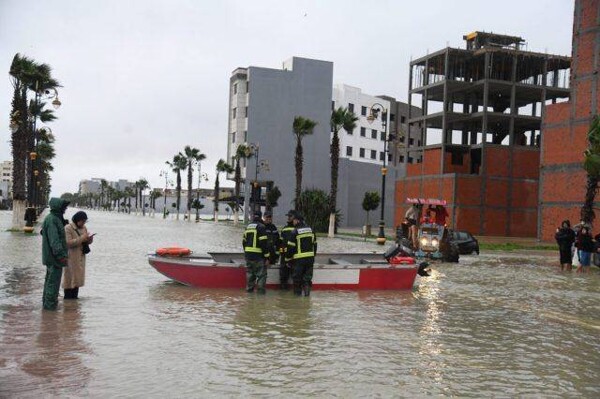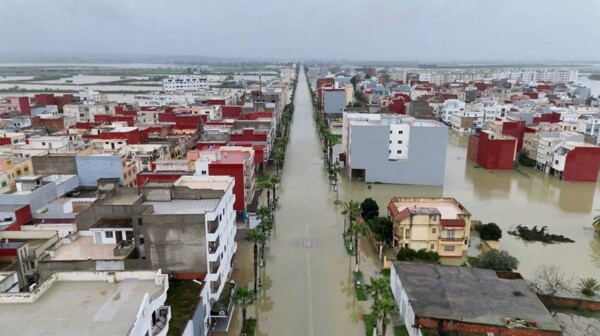
Morocco is experiencing one of the most severe hydrometeorological crises in recent decades. After months of persistent rainfall and torrential rains reinforced by atmospheric rivers that also affected the Iberian Peninsula, the north and west of the country have been submerged. In Ksar El Kebir, one of the localities hardest hit by the Loukkos river overflow, up to 85% of its inhabitants had to abandon their homes due to the imminent risk of flooding.
This meteorological episode has been exceptional. Since September, the average accumulated precipitation reached 150 millimeters, 35% more than the historical average since the 1990s and triple the amount recorded in the same period last year. By Royal High Instructions, the Government declares a catastrophe and activates a wide aid program for housing, farmers, and infrastructure.
However, this abundance of water also became a threat: reservoirs such as Oued El Makhazine reached critical levels, forcing controlled discharges of up to 800 cubic meters per second to protect populations downstream. The anticipated discharges—4.2 billion cubic meters released since December—were carried out, according to the Government, based on advanced hydrological models and permanent monitoring of the sub-basins, which made it possible to carry out preventive evacuations 48 hours before the flood peaks.
In response to the magnitude of the disaster, King Mohammed VI gave High Instructions to the Government to deploy a broad aid and support program in favor of the affected families. True to his "constant solicitude towards his subjects" and determined to preserve their safety and improve their living conditions, the monarch ordered swift and responsible action. The Head of Government issued a decree declaring the inclemencies a catastrophic event and recognizing the municipalities of the four most affected provinces as disaster-stricken areas.
The emergency plan, endowed with a provisional budget of 3 billion dirhams (about 275 million euros), is structured around four main axes. 775 million dirhams are allocated for relocation, compensation for loss of income, rehabilitation of homes and small businesses, and reconstruction of collapsed houses. 225 million dirhams for in-kind aid and reinforcement of emergency interventions to cover immediate needs. 300 million dirhams for farmers and breeders affected by the loss of crops and livestock. 1.7 billion dirhams for the rehabilitation of road infrastructure, hydro-agricultural systems, and damaged basic networks.
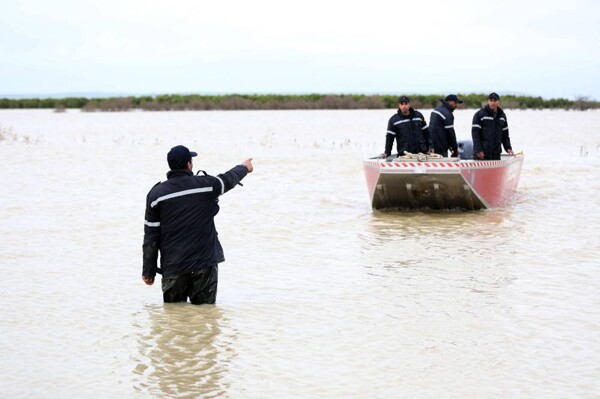
More than 150,000 people were evacuated in a matter of days, especially in Larache and Kenitra. Temporary camps were set up to accommodate entire families away from the overflowing riverbeds. In the Chefchaouen region, landslides cut off roads and isolated rural communities. In total, the floods have inundated more than 110,000 hectares and forced the displacement of nearly 188,000 people in the provinces of Larache, Kenitra, Sidi Kacem, and Sidi. The provisional toll includes at least four fatal victims and one missing person in the province of Tetouan, swept away by sudden flash floods.
Experts in climatology warn that climate change intensifies the alternation between extreme dry periods and concentrated rainfall in short intervals, which multiplies the risk of overflowing. The Moroccan Government maintains that the anticipatory management of the reservoirs and the preventive mobilization of resources prevented a more serious toll. The floods have inundated more than 110,000 hectares and caused the displacement of around 188,000 people in the provinces of Larache, Kenitra, Sidi Kacem, and Sidi.